Who This Is For
This system is designed for adults who:
-
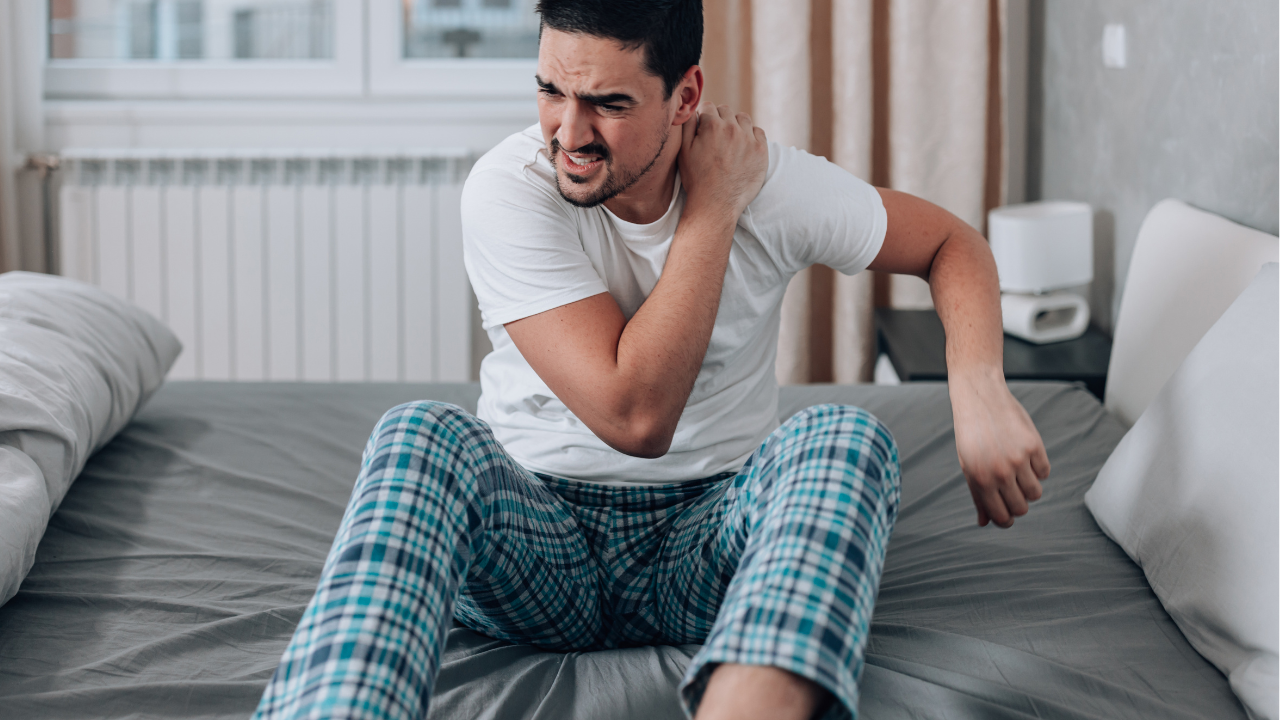
Feel stiff getting out of a chair
-
Notice tight hips or lower back after sitting
-
Want to stay active as they age
-
Care about long-term mobility more than performance metrics
This is not a performance program. It focuses on maintaining range of motion, joint health, and everyday ease of movement.
Why Hips & Lower Back Matter
The hips and lower spine influence:
-
Walking mechanics
-
Balance and fall prevention
-
Posture
-
Knee comfort
-
Core stability
When mobility declines in this area, other joints often compensate — which can lead to discomfort over time.
Supporting hip and lower back function is one of the most practical long-term movement investments.
The 3-Step Move Better Framework
This example shows how a simple, repeatable structure can support better movement without overwhelm.
Step 1: Restore Mobility
Focus: Improve range of motion and reduce stiffness.
This phase may include:
-
Gentle hip flexor stretches
-
Seated or supine rotational movements
-
Low-intensity spinal mobility work
-
Breath-led movement patterns
Goal: Restore comfortable movement before adding strength.
Consistency matters more than intensity.
Step 2: Build Support Strength
Focus: Strengthen muscles that stabilize the hips and spine.
This phase may include:
-
Glute activation exercises
-
Core stabilization drills
-
Controlled hinge patterns
-
Balance-based movements
Goal: Improve joint support so daily movements feel easier and more stable.
This is especially important for adults concerned with longevity and fall prevention.
Step 3: Integrate Into Daily Life
Focus: Make movement sustainable.
This phase may include:
-
Daily 5–10 minute mobility resets
-
Movement snacks throughout the day
-
Walking programs
-
Posture awareness routines
Goal: Prevent regression and support long-term joint health.
The most effective movement system is the one that becomes routine.
What to Look For in a Program or Guide
When choosing a hips & lower back mobility resource, consider:
-
Clear progression (mobility → strength → integration)
-
Low-impact, joint-friendly movements
-
Time-efficient sessions
-
Clear instruction and modifications
-
Emphasis on consistency over intensity
Final Thoughts
Maintaining hip and lower back mobility supports independence, balance, and comfort as the years progress. Small, consistent movement practices often deliver more long-term benefit than occasional intense sessions.
Explore available programs, guides, and tools within this section to find an approach that fits your lifestyle and current mobility level.