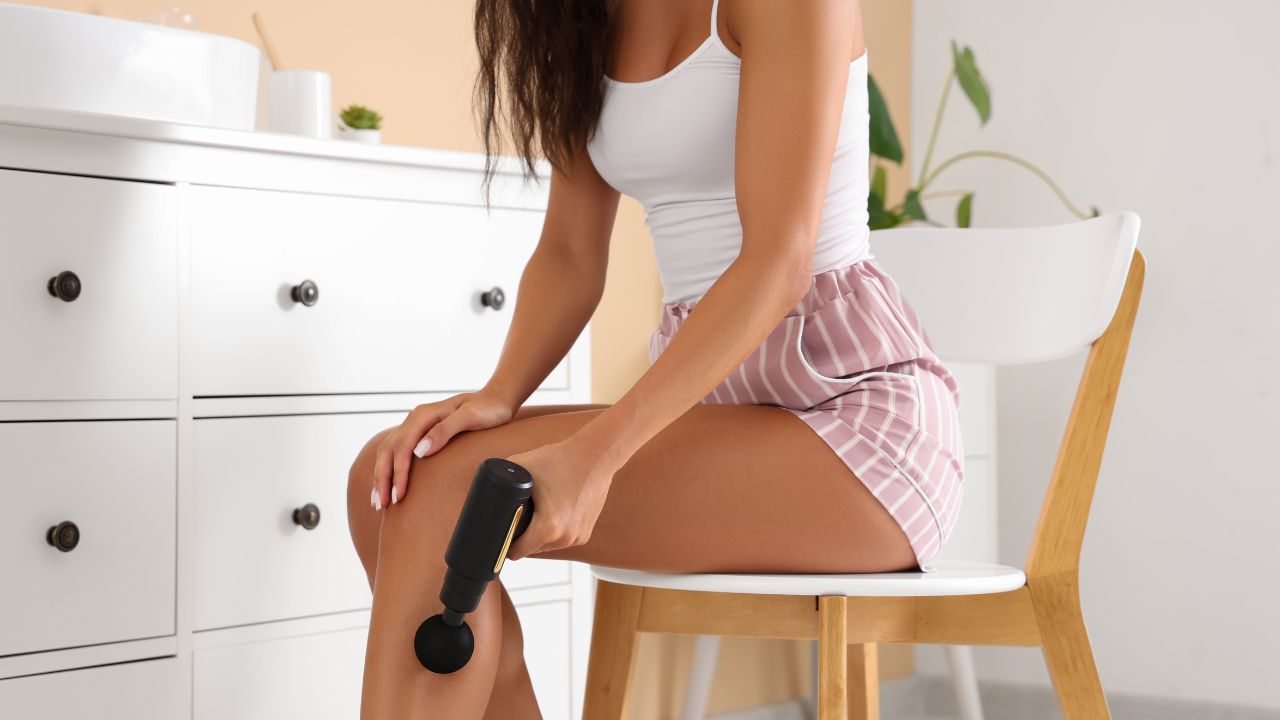
What Is a Massage Gun?
A massage gun is a handheld percussive therapy device designed to deliver rapid, targeted pulses into muscle tissue. These pulses help stimulate circulation, reduce muscle tension, and support soft tissue mobility.
Unlike traditional massage, which requires a therapist, massage guns allow individuals to apply controlled, localized pressure at home. Most devices offer multiple speed settings and interchangeable attachments to target different areas of the body.
Massage guns are commonly used by athletes — but their value extends far beyond performance settings. For adults focused on maintaining comfort, mobility, and longevity, percussive therapy can be a practical addition to a regular wellness routine.
Why Adults Over 40 Are Turning to Percussive Therapy
As we age, muscle elasticity naturally declines. Prolonged sitting, stress, repetitive movement, and reduced activity can contribute to:
-
Tight hips and lower back
-
Neck and shoulder stiffness
-
Calf and hamstring tension
-
Reduced range of motion
-
Slower recovery after activity
Massage guns are often chosen by individuals who want to:
-
Support joint mobility
-
Ease daily stiffness
-
Improve circulation
-
Reduce muscular tightness
-
Stay active without high-impact recovery tools
For many adults, the goal is not to “train harder” — it’s to feel better moving through daily life.
How Percussive Therapy Works
Massage guns use rapid, repetitive pressure waves to stimulate muscle tissue. This mechanical stimulation may help:
-
Increase local blood flow
-
Encourage lymphatic movement
-
Reduce perceived muscle tightness
-
Improve tissue pliability
-
Temporarily enhance range of motion
The rhythmic pulsing effect differs from vibration therapy in that it penetrates deeper into muscle tissue rather than simply vibrating at the surface.
When used appropriately, percussive therapy can complement stretching, mobility work, walking routines, and strength training.
Common Areas People Use Massage Guns
Massage guns are typically used on large muscle groups, including:
-
Glutes
-
Quadriceps
-
Hamstrings
-
Calves
-
Upper back
-
Shoulders
Some people also use them on:
-
Hip flexors
-
Forearms
-
Chest (with caution and proper attachment)
Areas to avoid generally include:
-
Direct spine
-
Neck (front and sides)
-
Bony joints
-
Areas with inflammation or injury unless cleared by a professional
Always review manufacturer guidelines before use.
Benefits Beyond Athletic Recovery
While often marketed to fitness enthusiasts, massage guns are frequently purchased by:
-
Desk workers experiencing neck and shoulder tightness
-
Adults with sedentary lifestyles
-
Individuals restarting exercise after years of inactivity
-
Older adults wanting joint-friendly recovery support
-
People managing general muscle tension from stress
For this audience, the appeal is not intensity — it’s accessibility.
A short 5–10 minute session in the evening may help ease accumulated tension from the day.
Massage Gun vs. Foam Roller
Both tools target muscle tissue, but they differ in application.
Foam Roller
-
Uses body weight for pressure
-
Covers broader surface areas
-
Requires floor mobility
-
More physically demanding
Massage Gun
-
Handheld and targeted
-
Adjustable intensity
-
Easier to use while seated
-
Can isolate smaller muscle groups
Many adults prefer massage guns because they require less physical effort and can be used while sitting in a chair.
Key Features to Consider
When choosing a massage gun, consider the following:
1. Power & Speed Settings
Multiple speed levels allow gradual adjustment. Lower settings are often sufficient for general tension relief.
2. Amplitude (Depth of Percussion)
Higher amplitude devices penetrate deeper into tissue. For general wellness use, moderate amplitude is typically sufficient.
3. Noise Level
Quieter models are preferable for home environments.
4. Battery Life
Longer battery life supports consistent use without frequent charging.
5. Attachments
Different heads are designed for various muscle groups:
-
Round ball: general use
-
Flat head: larger muscle surfaces
-
Bullet tip: targeted areas
-
Fork head: along either side of the spine (not directly on it)
6. Weight & Ergonomics
Lighter models are easier to hold for extended sessions, especially for older users.
How to Use a Massage Gun Safely
General guidelines include:
-
Use on muscle tissue only
-
Start on lowest setting
-
Limit sessions to 1–2 minutes per muscle group
-
Keep device moving slowly
-
Stop if discomfort occurs
Massage guns should not cause sharp pain. Mild tenderness may occur, but the sensation should remain tolerable.
Individuals with medical conditions, circulation issues, blood clot history, or recent surgeries should consult a healthcare professional before use.
Incorporating It Into a Longevity Routine
For adults focused on long-term mobility, a massage gun can support:
-
Pre-walk warm-ups
-
Post-walk muscle relaxation
-
Evening tension release
-
Mobility session preparation
-
Low-impact recovery days
Example routine:
Morning (5 minutes)
Light quad and calf activation before walking.
Evening (10 minutes)
Glutes, hips, and upper back to reduce stiffness after sitting.
Consistency typically produces better results than occasional high-intensity sessions.
Who May Benefit Most
Massage guns are often useful for:
-
Adults returning to exercise
-
People with limited flexibility
-
Individuals who sit for long periods
-
Older adults prioritizing circulation
-
Those seeking non-invasive recovery tools
They are not a replacement for medical treatment or physical therapy but may complement a broader wellness strategy.
Who Should Use Caution
Avoid or consult a professional if you have:
-
Blood clotting disorders
-
Severe osteoporosis
-
Acute injuries
-
Nerve damage
-
Open wounds
-
Active inflammation
Pregnant individuals should seek medical clearance before use.
Longevity Perspective
Maintaining muscle quality plays a role in long-term mobility, posture, and balance. As muscle stiffness increases, joint mechanics may shift, contributing to discomfort over time.
While no device guarantees outcomes, tools that support regular tissue maintenance can encourage consistent movement habits.
For many adults, the value lies in:
-
Ease of use
-
Time efficiency
-
At-home accessibility
-
Low barrier to consistency
Massage guns are not about pushing harder. They are about staying comfortable enough to keep moving.
Frequently Asked Questions
How often should I use a massage gun?
Many people use it 3–5 times per week, though light daily use on major muscle groups is common.
Is stronger always better?
Not necessarily. Higher intensity does not always produce better results. Lower settings are often sufficient for general muscle tension.
Can it replace stretching?
No. It may complement stretching, but both serve different roles in mobility.
How long should a session last?
Most sessions last 5–15 minutes total.
What to Look for in a Brand
When reviewing available massage gun brands within this directory, consider:
-
Clear safety instructions
-
Transparent specifications
-
Warranty coverage
-
Customer support
-
Replacement attachment availability
-
Return policy
Avoid devices that lack technical detail or overpromise medical outcomes.
Final Thoughts
Massage guns offer a practical way to support muscle comfort and mobility from home. For adults prioritizing long-term movement quality rather than performance metrics, percussive therapy may help reduce daily stiffness and support recovery between activities.
When paired with walking, strength training, and mobility work, this tool can become part of a sustainable approach to aging well.
Explore the available models in this section to compare specifications, features, and pricing to determine which device aligns with your comfort level and routine.


Similar listings in category
Explore More
Mini Red Light Device
Bon Charge Mini Red Light Device. The Mini Red Light Device is designed for people who want access to red light technology in a small, portable format.
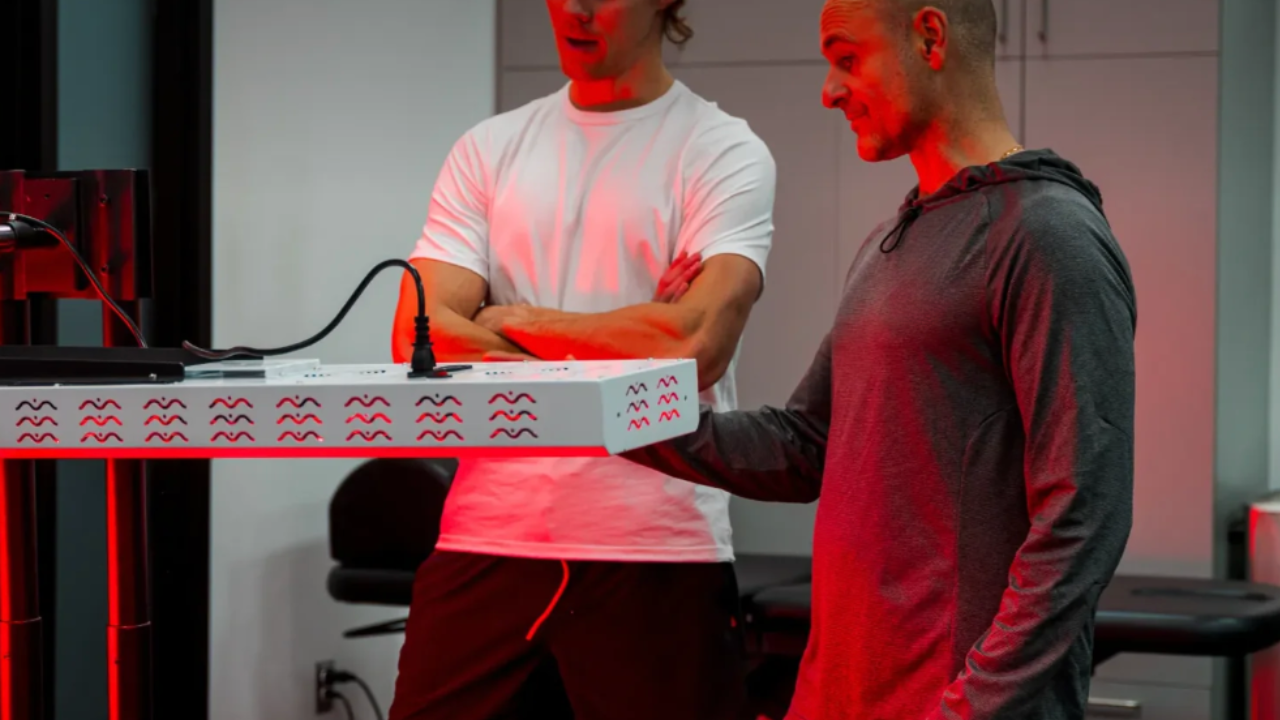
Red Light Elite Panel
Kala Red Light Elite Panel is intended for personal environments rather than clinical or commercial settings. The Elite Panel is one of their larger systems, offering broader light coverage compared to handheld or mini devices.
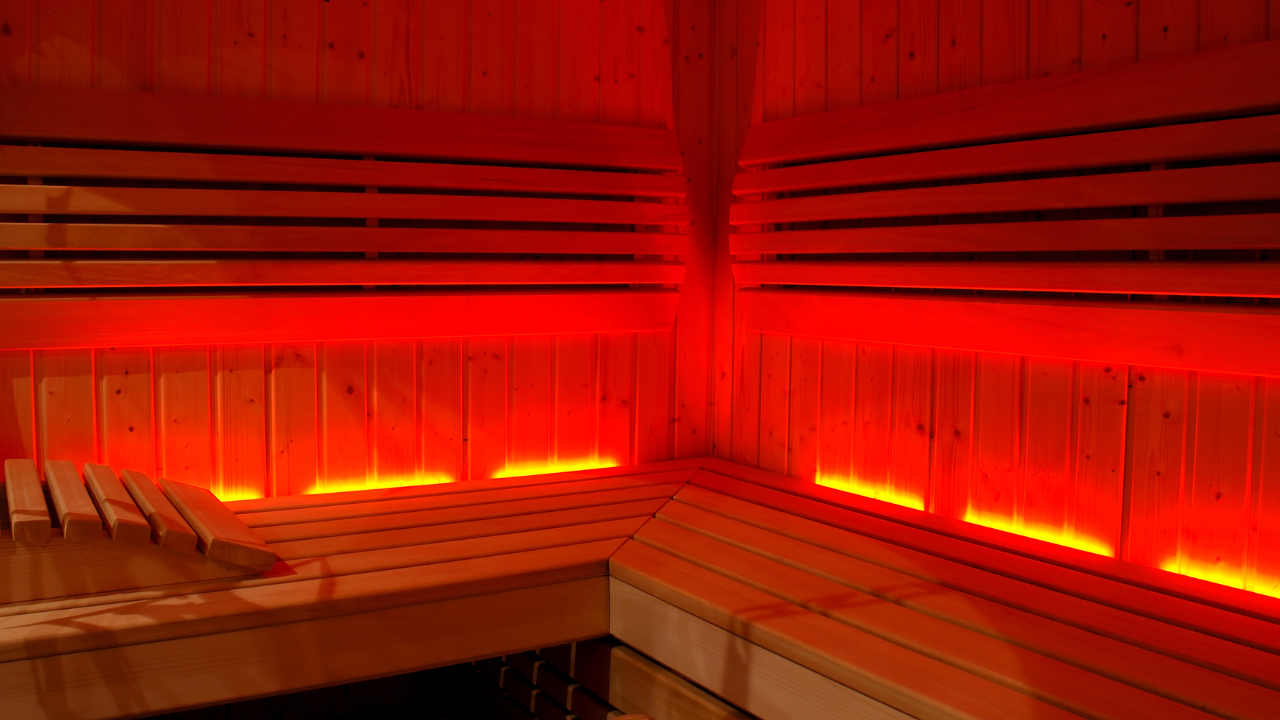
Infrared Saunas
Infrared saunas are home-based heat systems designed to expose the body to steady, controlled warmth using infrared panels rather than traditional high-temperature steam.