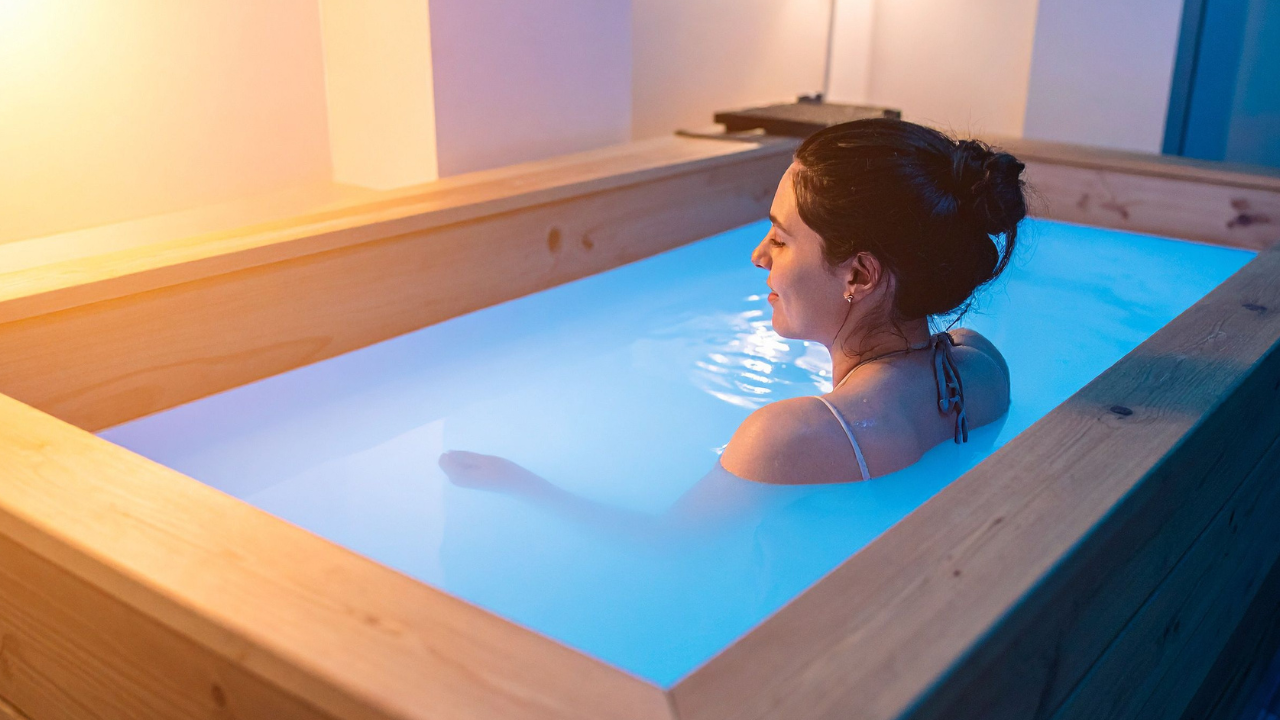
Controlled Cold Exposure for Circulation, Recovery & Resilience
What Is a Cold Plunge Tub?
A cold plunge tub is a temperature-controlled water immersion system designed to expose the body to cold water for short, structured sessions.
Unlike filling a bathtub with ice, modern cold plunge systems are built to:
-
Maintain consistent temperatures
-
Filter and circulate water
-
Provide safer, repeatable cold exposure
-
Fit within home wellness spaces
Most systems allow temperature adjustments, typically ranging from approximately 3–15°C (37–59°F), depending on user preference and tolerance.
Cold exposure has been used for centuries across cultures. Today, it’s commonly integrated into modern home wellness routines.
Why Adults Focused on Longevity Are Interested
Cold plunging is often associated with athletes — but many non-athletes incorporate it for broader wellness reasons.
Adults over 40 may be drawn to cold exposure for:
-
Circulatory support
-
Muscle recovery after walking or strength sessions
-
Nervous system regulation
-
Mental resilience practices
-
Contrast therapy alongside sauna use
The interest is not about extremes — it’s about controlled, measured exposure that fits into a sustainable routine.
For some, it becomes a short daily ritual. For others, a weekly reset.
How Cold Exposure Affects the Body
When immersed in cold water:
-
Blood vessels constrict (vasoconstriction)
-
Heart rate increases temporarily
-
The body works to maintain internal temperature
-
Circulation shifts and later rebounds upon rewarming
After exiting the cold:
-
Blood vessels dilate
-
Circulation increases
-
A warming response begins
This contrast may support recovery and circulation when used responsibly.
Cold exposure also stimulates the sympathetic nervous system — which some individuals use intentionally to build stress tolerance and mental discipline.
Potential Benefits Reported by Users
While individual experiences vary, common reasons people use cold plunges include:
-
Reduced perceived muscle soreness
-
Increased alertness
-
Improved mood
-
Recovery support after activity
-
Complementing sauna sessions
-
Structured breathwork practice
Cold therapy is not a cure-all. It is one tool within a broader wellness framework.
Who This May Be Suitable For
Cold plunge systems are often used by:
-
Adults incorporating strength training 2–4 times per week
-
Individuals walking or hiking regularly
-
Sauna users looking to add contrast therapy
-
People focused on circulation
-
Those interested in resilience-building practices
It may appeal particularly to individuals who value routine and measurable wellness practices.
Who Should Use Caution
Cold exposure is not appropriate for everyone.
Individuals should consult a healthcare professional before use if they have:
-
Cardiovascular conditions
-
High blood pressure
-
Circulatory disorders
-
Raynaud’s phenomenon
-
Respiratory conditions
-
Pregnancy
Cold immersion causes rapid physiological shifts and should be approached gradually.
How Long Are Sessions?
For general wellness use, sessions often range between:
- 1–5 minutes
Beginners typically start at higher temperatures (10–15°C / 50–59°F) and shorter durations.
More extreme protocols are not necessary for most adults. Consistency and safety matter more than duration.
Cold Plunge vs. Ice Bath
While often used interchangeably, there are differences:
Ice Bath (DIY):
-
Requires manual ice addition
-
Temperature fluctuates
-
No filtration system
-
Less convenient
Cold Plunge System:
-
Temperature-controlled
-
Filtration and sanitation included
-
More consistent experience
-
Designed for repeat use
For longevity-focused adults, convenience often determines consistency.
Indoor vs. Outdoor Setups
Cold plunge tubs may be installed:
-
Outdoors on patios or gardens
-
Inside home gyms
-
In garages
-
In dedicated wellness rooms
Considerations include:
-
Drainage
-
Electrical requirements
-
Ventilation
-
Space footprint
-
Climate
Always review installation guidelines for each model.
Maintenance Considerations
Modern cold plunge systems may include:
-
Filtration systems
-
Ozone or UV sanitation
-
Water circulation pumps
Maintenance requirements vary by brand. Review:
-
Filter replacement frequency
-
Cleaning schedule
-
Water change intervals
-
Electrical specifications
Low-maintenance systems are often preferred for long-term use.
Integrating Cold Into a Longevity Routine
Cold exposure can be used in several structured ways:
Option 1: Post-Exercise Recovery
After strength training or longer walks.
Option 2: Morning Alertness Ritual
Short immersion to stimulate wakefulness.
Option 3: Contrast Therapy
Alternating between sauna and cold plunge (with appropriate safety awareness).
Option 4: Weekly Reset
One or two structured sessions per week.
For many adults, 1–3 sessions per week is sufficient.
Mental & Nervous System Component
Cold exposure requires controlled breathing and mental focus.
Some individuals use it to:
-
Practice breath control
-
Improve stress tolerance
-
Build discipline
-
Reduce reactivity to discomfort
The experience can be intense at first. Gradual adaptation is typical.
What to Look For in a Cold Plunge Tub
When comparing available models in this directory, consider:
-
Temperature range
-
Cooling speed
-
Insulation quality
-
Filtration system
-
Size and capacity
-
Ease of entry and exit
-
Warranty coverage
-
Customer support
-
Installation requirements
Avoid products that promise extreme medical outcomes or exaggerated claims.
Is It Necessary for Longevity?
Cold exposure is optional — not foundational.
Walking, strength training, sleep, and nutrition remain core pillars of healthy aging.
Cold plunge tubs are considered an advanced recovery or resilience tool for individuals who:
-
Already maintain consistent movement habits
-
Enjoy structured routines
-
Value measurable wellness practices
For the right person, it may enhance consistency and engagement with broader health habits.
Frequently Asked Questions
How cold should the water be?
Beginners often start between 10–15°C (50–59°F). Lower temperatures are not required for general wellness use.
How often should I cold plunge?
Many people use it 1–3 times per week.
Is longer better?
Not necessarily. Short, controlled sessions are often sufficient.
Can I combine it with sauna?
Yes, many people practice contrast therapy. Always approach gradually and monitor tolerance.
Final Thoughts
Cold plunge tubs provide structured cold exposure in a controlled environment. For adults focused on long-term vitality rather than performance extremes, they may serve as a complementary tool for circulation, recovery, and resilience.
The most effective wellness tools are those that support sustainable routines. If cold exposure aligns with your preferences and health profile, explore the available models in this section to compare features, setup requirements, and ongoing maintenance needs.

Similar listings
Explore More
Magnesium
Magnesium plays a role in hundreds of processes in the body. Because of that, many people choose to include magnesium in their daily routine as a simple way to support muscle function, nervous system balance, and overall wellness.

Collagen
Collagen is the most abundant protein in the human body. It forms the structural foundation of connective tissues such as tendons, ligaments, cartilage, skin, and bones.
Move Better System: Hips & Lower Back
Similar listings in category
Explore More
Mini Red Light Device
Bon Charge Mini Red Light Device. The Mini Red Light Device is designed for people who want access to red light technology in a small, portable format.
Red Light Elite Panel
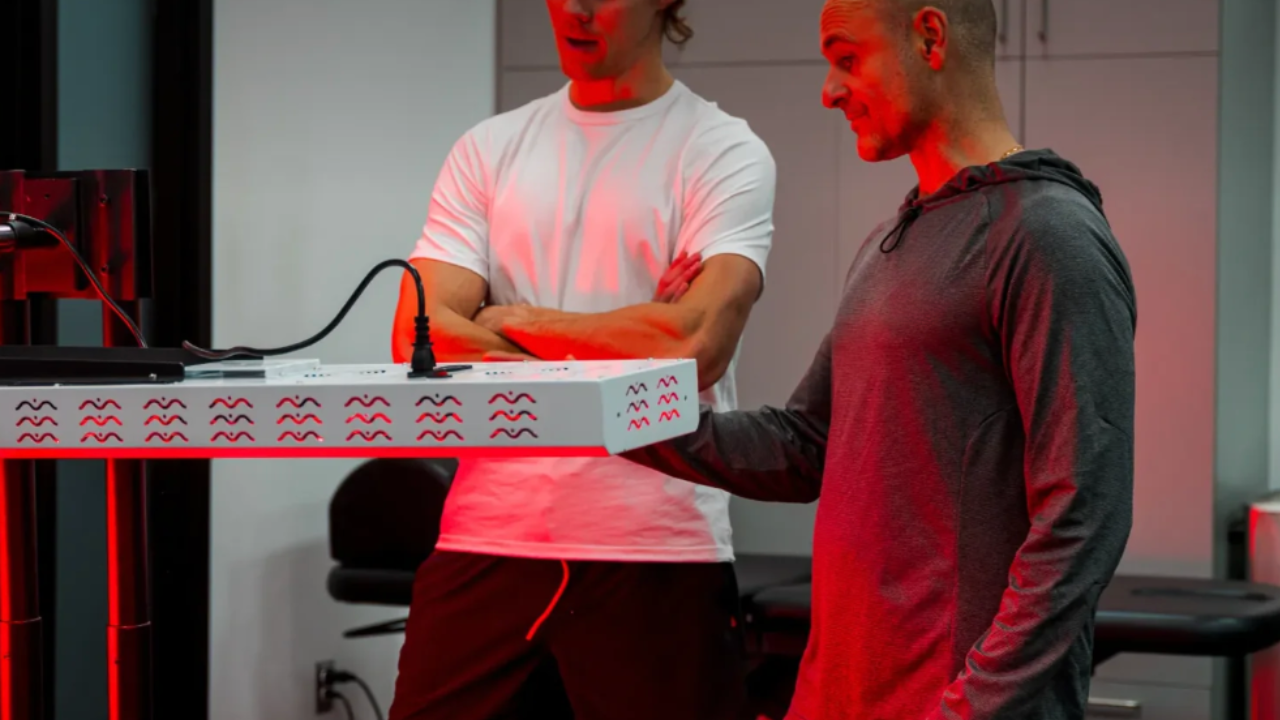
Kala Red Light Elite Panel is intended for personal environments rather than clinical or commercial settings. The Elite Panel is one of their larger systems, offering broader light coverage compared to handheld or mini devices.
Infrared Saunas
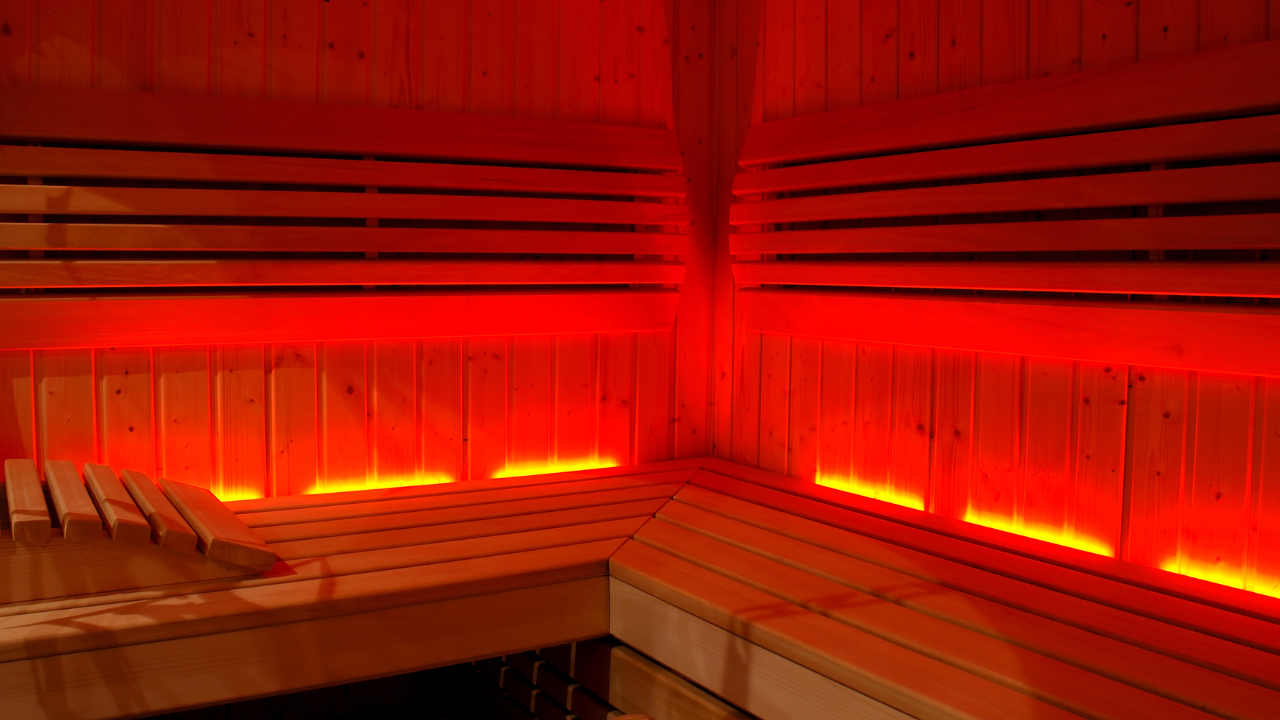
Infrared saunas are home-based heat systems designed to expose the body to steady, controlled warmth using infrared panels rather than traditional high-temperature steam.