Strength is not just about how much weight you lift.
It shows up in everyday life.
- Carrying groceries without thinking about it.
- Getting up from the floor easily.
- Climbing stairs without hesitation.
- Recovering from a long walk.
- Feeling steady in your body.
For many people, these things feel automatic for decades.
Then gradually, they don’t.
Not dramatically. Not overnight. Just slowly.
The change often becomes noticeable in midlife or later years — especially if training hasn’t been consistent. What used to feel effortless starts requiring more effort. Recovery takes longer. Energy feels less predictable.
The assumption is usually that this is inevitable.
But from a physiological perspective, strength does not disappear because of age alone.
It changes because of how the body responds to stimulus, nutrition, and recovery over time.
Understanding that shift is the key to maintaining it.
What Actually Changes Over Time
Three systems matter most when it comes to strength maintenance:
1. Muscle Responsiveness
Muscle tissue responds to resistance. When exposed to consistent load, it adapts.
As we age, muscle becomes slightly less sensitive to the same stimulus. This does not prevent adaptation — but it means stimulus needs to be intentional.
Strength must be trained. It cannot be assumed.
2. Recovery Speed
Recovery includes more than soreness.
It involves tissue repair, nervous system regulation, sleep quality, and inflammation balance.
With age, recovery often becomes slower if not supported properly.
That does not mean rest more by default.
It means recovery inputs matter more.
Sleep, nutrition, and daily habits begin to influence outcomes significantly.
3. Structural Support
Strength is not only muscle.
It depends on connective tissue — tendons, ligaments, and joint structures.
These tissues adapt more slowly than muscle.
If structural support declines, movement feels less smooth. Stiffness increases. Confidence in movement may decrease.
Supporting connective tissue becomes part of maintaining strength over time.
What Actually Helps Maintain Strength
The solution is not extreme.
It is consistent.
Here are the foundational components.
1. Progressive Resistance Training
Strength is preserved through load.
That does not mean lifting heavy weights necessarily.
It means:
-
Challenging muscles regularly
-
Increasing difficulty gradually
-
Avoiding long periods of inactivity
Bodyweight training, resistance bands, machines, or free weights can all work.
The key is progression.
Without stimulus, strength declines.
With stimulus, it adapts.
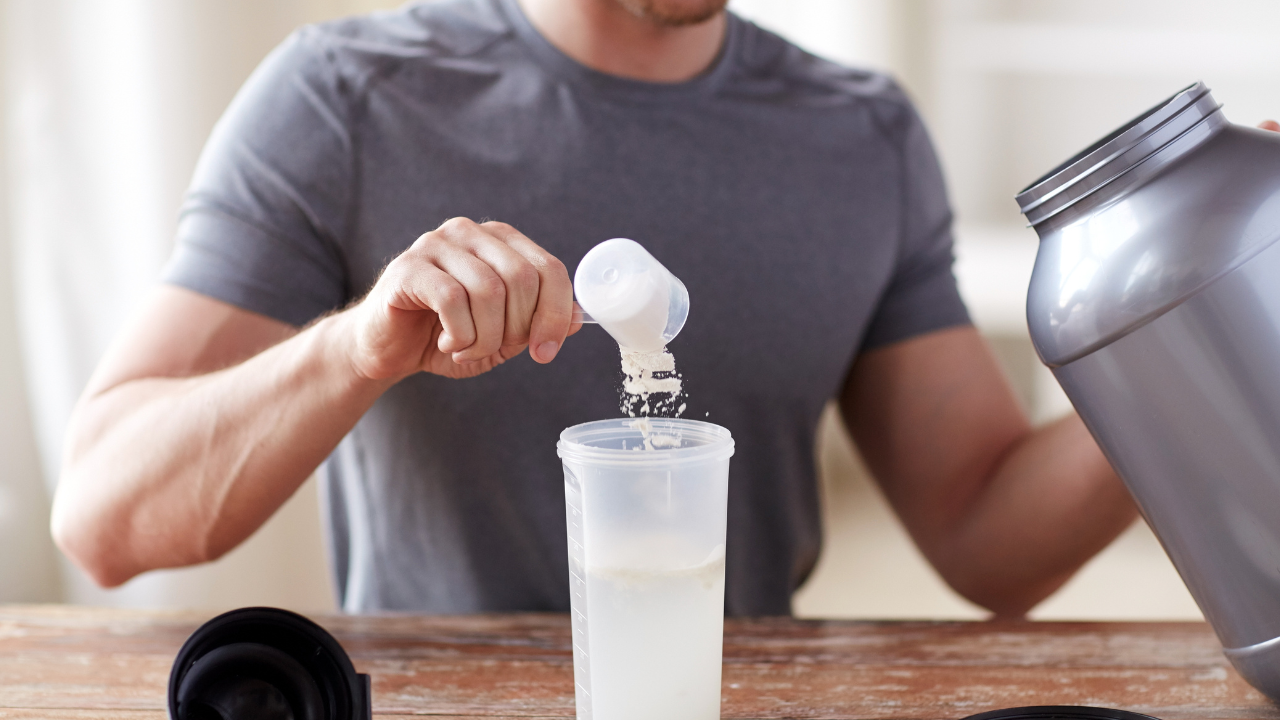
2. Adequate Protein Intake
Muscle repair depends on amino acids.
After midlife, total protein intake becomes more important than many people realize.
Most adults benefit from consuming sufficient daily protein distributed across meals.
This supports:
-
Muscle maintenance
-
Recovery
-
Lean tissue preservation
If intake is inconsistent, adaptation slows.
For practical guidance, see the Protein section in this directory.
3. Creatine for Strength Support
Creatine is one of the most researched supplements for supporting strength and muscle function.
It helps the body regenerate ATP — the primary energy source used during short bursts of effort.
When training output improves, stimulus improves.
Typical use for healthy adults is 3–5 grams daily, taken consistently.
It does not replace training.
It supports it.
You can explore details in the Creatine listing.
4. Magnesium for Recovery and Sleep
Strength is not built during training.
It is built during recovery.
Magnesium plays a role in muscle relaxation and nervous system regulation.
Many adults use it in the evening to support sleep quality and recovery balance.
Sleep directly impacts strength retention.
If sleep is inconsistent, recovery efficiency declines.
See the Magnesium listing for forms and usage details.
5. Connective Tissue Support
Muscle is only one part of strength.
Tendons and ligaments also need support.
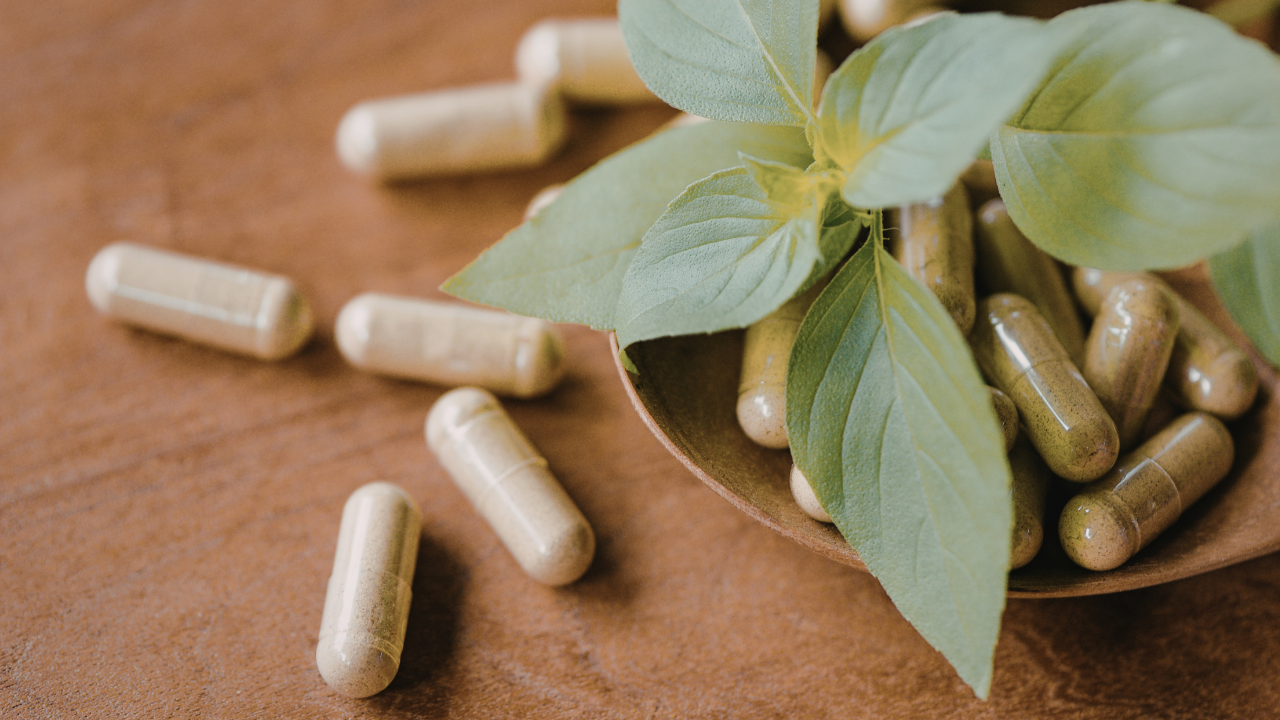
Collagen peptides are commonly used to provide structural amino acids that contribute to connective tissue health.
They are not pain treatments.
They are structural support supplements.
Collagen works best alongside resistance training and adequate total protein intake.
You can review options in the Collagen section of this directory.
Strength Decline Is Not Inevitable
Many people reduce activity as they age.
Then strength declines more rapidly.
The body adapts to inactivity just as efficiently as it adapts to load.
If stimulus decreases, strength decreases.
If stimulus continues — and recovery is supported — strength can be maintained for decades.
Consistency matters more than intensity.
Building a Simple Strength Maintenance Framework
You do not need complexity.
A sustainable structure might look like:
-
Resistance training 2–4 times per week
-
Adequate daily protein intake
-
Consistent hydration
-
Magnesium for recovery support
-
Creatine for strength output
-
Collagen for connective tissue support
These elements work together.
None of them replace movement.
They enhance the environment in which adaptation occurs.
When to Seek Professional Guidance
If you have medical conditions, joint injuries, or specific health concerns, consult a qualified healthcare professional before making significant changes to training or supplementation.
This article provides educational information — not medical advice.
The Bigger Picture
Strength is not about appearance.
It is about function.
It is about independence.
It is about confidence in movement.
The good news is that the body remains adaptable throughout life.
It responds to stimulus.
It responds to nutrition.
It responds to recovery.
Age changes the baseline — but it does not remove the capacity to improve.
With the right structure, strength can be maintained and even rebuilt.